

Finding People Online, Powered by FreePeopleSearch.com
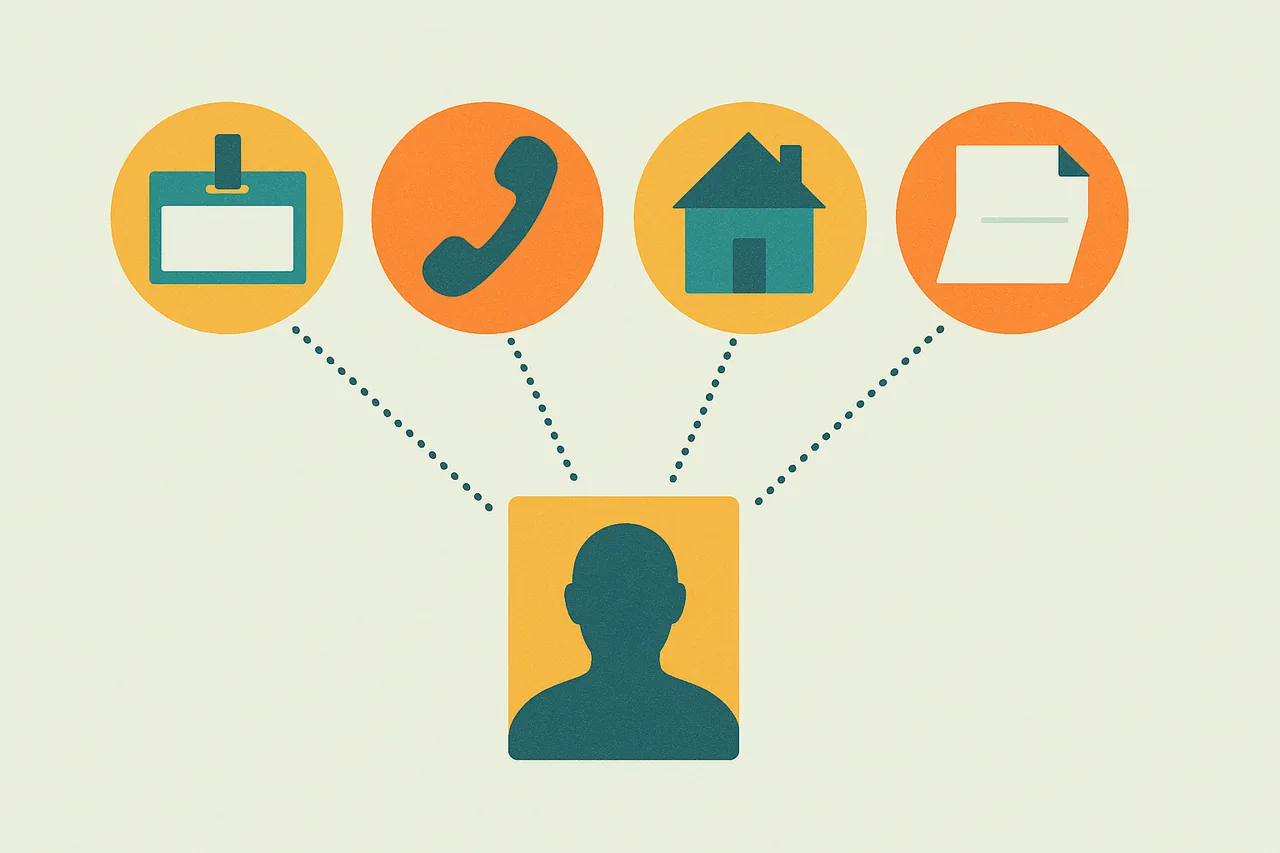
Finding people online usually starts with a single clue, and a people finder like FreePeopleSearch.com can turn that clue into a name, a location or a list of relatives. The trick is knowing which clue to start from and what to add next, because the right first step depends on what you already have.
This guide is organized around those starting points. Pick the situation that matches yours, follow the steps, and then use the later sections to widen the search and make contact in a way the other person will welcome.
What FreePeopleSearch.com Brings to Finding People Online
FreePeopleSearch.com is a public records search site. You enter a first and last name, optionally narrow it by state, and it returns matching people with basic identifying details at no cost. It also offers a reverse address lookup. The site says its records come from county, state and federal sources, and it sells deeper reports through third-party vendors.
For finding someone, the free part is often enough. It can confirm which state a person lives in, show cities they have lived in and list possible relatives, which are exactly the clues you need to reach them through other channels.
Note. The site is for personal lookups only. Its terms rule out using results for employment, tenant, credit or insurance decisions, and for stalking or spying on anyone.
Pick Your Starting Clue
Match what you have to the closest row, then jump to the section below that covers it.
| What you have | Where to start | What to add next |
|---|---|---|
| A full name and a city or state | A name search filtered by state | Age and relatives to confirm the match |
| A full name only | A nationwide name search | Former names and likely states |
| An old address | A reverse address lookup | Names of past residents, then a name search |
| A phone number | A web search for the number | A name search once you have a likely name |
| A first name and a shared past | Mutual contacts and old groups | A surname, then a name search |
When You Have a Name and a Place
This is the easiest case. Search the full name with the state selected and look for a result whose age and cities fit what you know. If the list is long, compare the possible relatives on each result, since a familiar family name is the strongest sign you have the right person.
Good to know. Relatives are listed because they share records or addresses with the person. Seeing a parent, sibling or spouse you recognize is usually more convincing than any other single detail.
If nothing matches, remove the state and search again. People move, and records take time to follow them, so the person may still be listed under an earlier state.
When You Only Have a Name
Without a location, start broad and let the results tell you where to look. A nationwide search shows every place a name is linked to. From there, narrow it down using anything else you remember:
- A rough age, to rule out results that are clearly too young or too old
- A region they talked about, such as where they grew up or went to school
- A former surname, especially for someone who may have married
- A nickname that might differ from their legal first name
Tip. For a common name, look at how crowded it is before you search. Very common names can return long lists, so write down two or three details you will use to tell candidates apart before you begin.
When You Have an Old Address
An old address is a surprisingly good lead. A reverse address lookup shows people linked to the property, and a former housemate or family member on that list can be the bridge to the person you want.
Remember that address records often include past residents. A name on the list may have moved out years ago, which is useful in itself, because it gives you a person to search next.
- Search each past resident’s name to see where they live now.
- Look for shared surnames, which often point to family members.
- Check whether the person you want appears at a newer address in those results.
When You Have a Phone Number
FreePeopleSearch.com lists checking numbers that call you among its suggested uses, and its results can show phone numbers tied to a person. If you only have the number, a plain web search is often the quickest first step, since businesses and public profiles tend to show up there.
Once you have a likely name, switch to a name search to confirm it. Be cautious with older numbers, because phone numbers are regularly reassigned to new owners.
Tip. If the number belongs to a caller who pressured you or asked for money, do not call back to find out who it is. Search it quietly, and report suspected scams to the FTC at ReportFraud.ftc.gov.
Widening the Search Beyond One Site
A people finder gives you facts. Reaching someone usually needs a channel. Once you know a person’s name, city and relatives, these places often complete the picture:
- Social networks, searched by name plus city, or through a relative’s friends list
- Professional networking sites, for someone whose job or employer you know
- Alumni groups and class reunion pages for schools you shared
- Community groups, clubs or congregations tied to the city on their listing
- Mutual friends, who may simply pass on a message
Using more than one source also protects you from mistakes. When a social profile, a relative’s name and a people search listing all point to the same person, you can be confident you have found them.
Common Dead Ends and What to Try
Some searches stall no matter which starting point you choose. These are the usual reasons, with a next step for each.
| Dead end | What to try |
|---|---|
| Dozens of people with the same name | Filter by state, then compare ages and relatives |
| No results at all | Try former names, nicknames and alternative spellings |
| Only very old addresses | Search relatives listed at those addresses for newer leads |
| A listing that has vanished | The person may have opted out, so try mutual contacts instead |
| Contact details that bounce | Treat them as outdated and look for a social or professional profile |
Reaching Out Once You Find Them
How you make contact matters as much as finding the person. A short, low-pressure message gives them room to reply in their own time, or not at all.
Example. “Hi Sam, this is Alex from Lincoln High, class of 2008. I was thinking about our old science club and wondered how you were doing. No pressure to reply, but I would love to catch up if you are up for it.”
A few habits keep first contact comfortable:
- Say who you are and how you know them in the first line.
- Keep it short and friendly, without asking for personal details.
- Use a message or letter rather than turning up at an address.
- Send one follow-up at most, then respect their silence.
Warning. If someone has cut contact, has opted out of people search sites or does not respond, take that as their answer. Using search results to pressure, track or confront a person is exactly what the site’s terms prohibit.
A Quick Checklist Before You Search
- Write down every clue you have, including old names and places.
- Choose the starting point from the table above.
- Confirm any match with at least two independent details.
- Decide whether the free details are enough before looking at paid reports.
- Reach out gently, and only for personal reasons.
Most searches that fail do so at the first step, with too few clues or the wrong starting point. Start from what you know, add one detail at a time, and a free people search will often get you most of the way there.